|
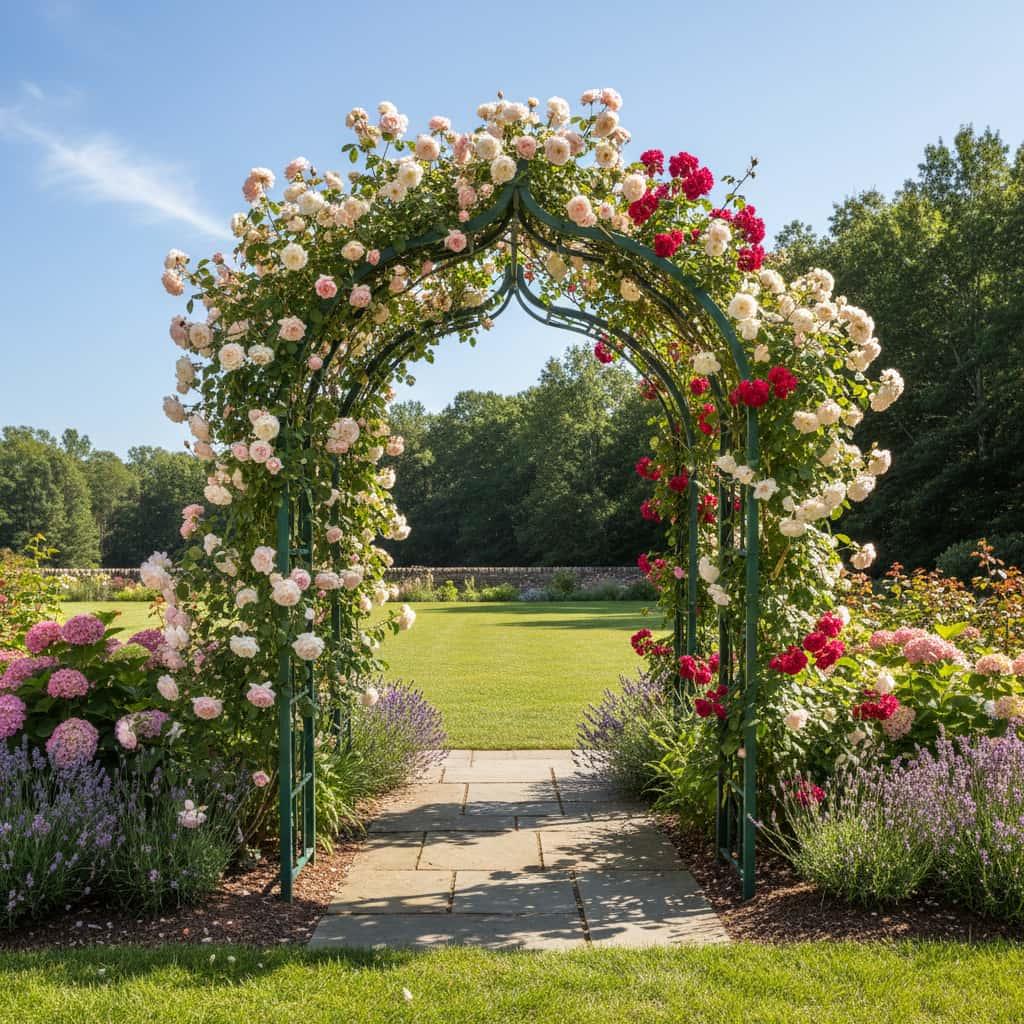
Designing a garden is an art that combines aesthetics with functionality. One of the most effective ways to enhance the beauty and utility of your outdoor space is by creating distinct zones. This can be achieved through the strategic use of arches and dividers, which not only delineate different areas but also add an element of architectural interest. By incorporating these structures, you can transform a simple garden into a series of inviting spaces, each with its own unique purpose and atmosphere. Whether you are looking to create a secluded retreat, a vibrant entertainment area, or a productive vegetable patch, using arches and dividers can help you achieve a harmonious balance between openness and privacy. Using Arches and Trellis Dividers to Separate Garden ZonesArches and trellis dividers are versatile tools in garden design, offering both practical and aesthetic benefits. Garden arches serve as gateways that invite exploration and movement between different areas. They can be adorned with climbing plants, such as roses or wisteria, to create a living canopy that enhances the natural beauty of the garden. Trellis dividers, on the other hand, provide a more solid boundary that can be used to separate spaces without completely blocking the view. These structures can support a variety of plants, from flowering vines to lush greenery, adding texture and color to the garden. By strategically placing arches and trellis dividers, you can create a sense of flow and continuity throughout the garden. For example, an archway leading from a patio to a vegetable garden can signal a transition from leisure to productivity. Similarly, a trellis divider can separate a children’s play area from a more formal garden space, ensuring that each zone serves its intended purpose while maintaining a cohesive overall design. Framing Transitions and Adding Privacy with Vertical StructuresVertical structures such as arches and pergolas play a crucial role in framing transitions between different garden zones. A well-placed garden pergola can create a shaded walkway that guides visitors from one area to another, providing a sense of journey and discovery. These structures can also be used to create focal points within the garden, drawing the eye and adding depth to the landscape. In addition to framing transitions, vertical structures can enhance privacy within the garden. By using taller dividers or incorporating lattice panels into existing fences, you can create secluded areas that offer a sense of intimacy and retreat. This is particularly useful in urban gardens where space is limited, and privacy is at a premium. By carefully selecting the height and placement of these structures, you can ensure that each zone feels both connected and distinct, providing a balance between openness and seclusion. Planning Placement for Connected Yet Defined ZonesWhen planning the placement of arches and dividers, it is important to consider the overall layout and flow of the garden. Each zone should feel connected to the others, yet distinct enough to serve its intended purpose. Start by identifying the primary functions of each area, such as dining, relaxation, or gardening, and then consider how these spaces will interact with one another. Consider the sightlines and pathways within the garden, ensuring that each zone is easily accessible and visually appealing. Arches can be used to frame views and create a sense of anticipation as visitors move through the space. Dividers should be placed to provide privacy where needed, without obstructing the natural flow of the garden. By carefully planning the placement of these structures, you can create a harmonious and inviting outdoor environment that meets the needs of all who use it. In conclusion, creating garden zones with arches and dividers is a powerful way to enhance the functionality and beauty of your outdoor space. By using these structures to separate, frame, and define different areas, you can create a garden that is both cohesive and diverse, offering a range of experiences and environments for relaxation, entertainment, and productivity. |